

Well-Spent #1: Getting Clear with Prequel Skin
A new series to help you be a smarter, more thoughtful consumer and understand when a product is a meaningful addition to your life.
Your support sustains this work, making it possible for me to share fact-based health and wellness information with you. Consider going paid. It costs less than an oat milk latte at Maman.
Longtime subscribers to Healthy Futures know that I love a product recommendation. I drizzle them into the content ever so often, but I recently decided to make them into a regular offering. Every last Friday of the month, I’ll be releasing Well-Spent, a new series reviewing health and wellness products and telling you whether they’re worth the hype. (This edition, however, is publishing on Saturday since Healthy Futures did not publish on January 30 in solidarity with the national protest against ICE.) Some of the products will be PR from brands, some will be things I bought with my own money. Either way, you’ll know up front and receive honest, non-sponsored feedback focused on scientific evidence and data.
Why I’m Reviewing Products
Well, like many of you, I use and try A LOT of stuff. Healthy Futures isn’t pivoting to become a beauty newsletter; it’s still a health and wellness publication grounded in evidence. I’ve spent my career as a health journalist evaluating medical and wellness claims, translating research, and interrogating trends that often sound science-backed but don’t always hold up. I approach skincare and other product reviews the same way I do supplements or fitness trends, asking: What’s actually supported by evidence? Who does this work for? What does the ingredient breakdown or fabric composition look like? What products are genuinely useful? And what’s just good marketing?
I also cite research and data that isn’t attached to the brand. Well-Spent exists to help you be a smarter, more thoughtful consumer and understand when a product is a meaningful addition to your life.
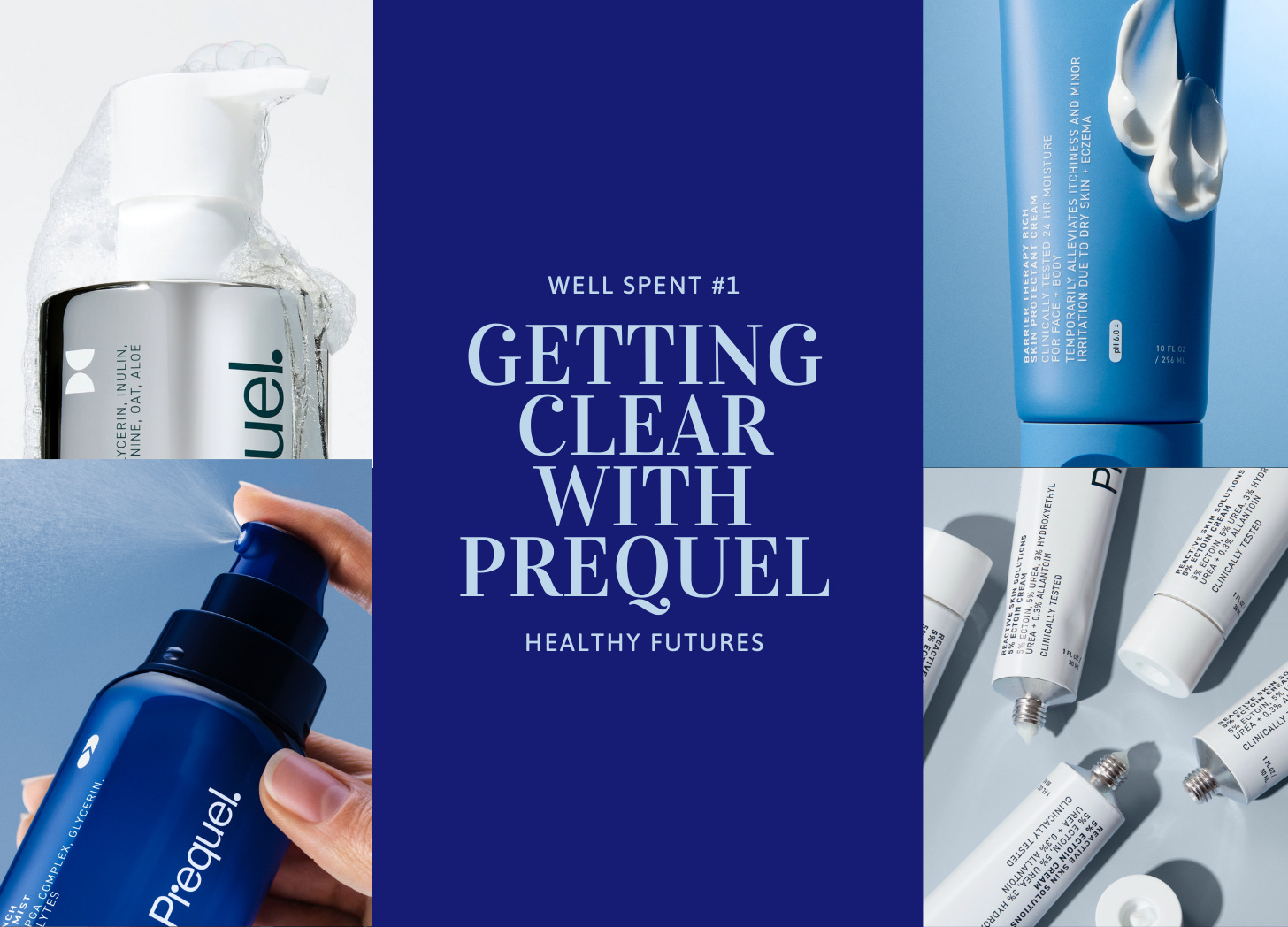
First up is the widely applauded Prequel Skincare. I started receiving PR from Prequel in 2024, and I’ve tried nearly their entire lineup. For this edition, I’m only going to review three products.
Let’s see if this brand lives up to its science-backed claims.
About the Brand
Prequel is a dermatologist‑developed, science‑first skincare brand focused on skin health for all skin types—including those with chronic skin conditions like acne and eczema—and wide consumer accessibility. They aim to offer an “elevated user experience” at an affordable price point, which they do. The most expensive product on their website is the Retinal Renew Retinaldehyde Gel, priced at $29. The brand also markets to educated skincare enthusiasts—meaning those of us who read ingredient lists or use INCIDecoder—and to consumers who want to become more educated through their ingredients log.
Green flags: Ingredient transparency (including the note on product pages that ingredients may change as science does), fragrance-free formulas, clear use cases, and a brand ethos built on consumer education.
About the Reviewer
My skin type is dehydrated. I have sensitive, acne-prone skin with persistent post-inflammatory hyperpigmentation. I also have eczema. I got so much shit going on with my skin—which is why I’ve spent years navigating dermatology offices, prescriptions, “gentle” over-the-counter products that still irritate me, and routines that promise results but don’t deliver.
Product 1: Gleanser
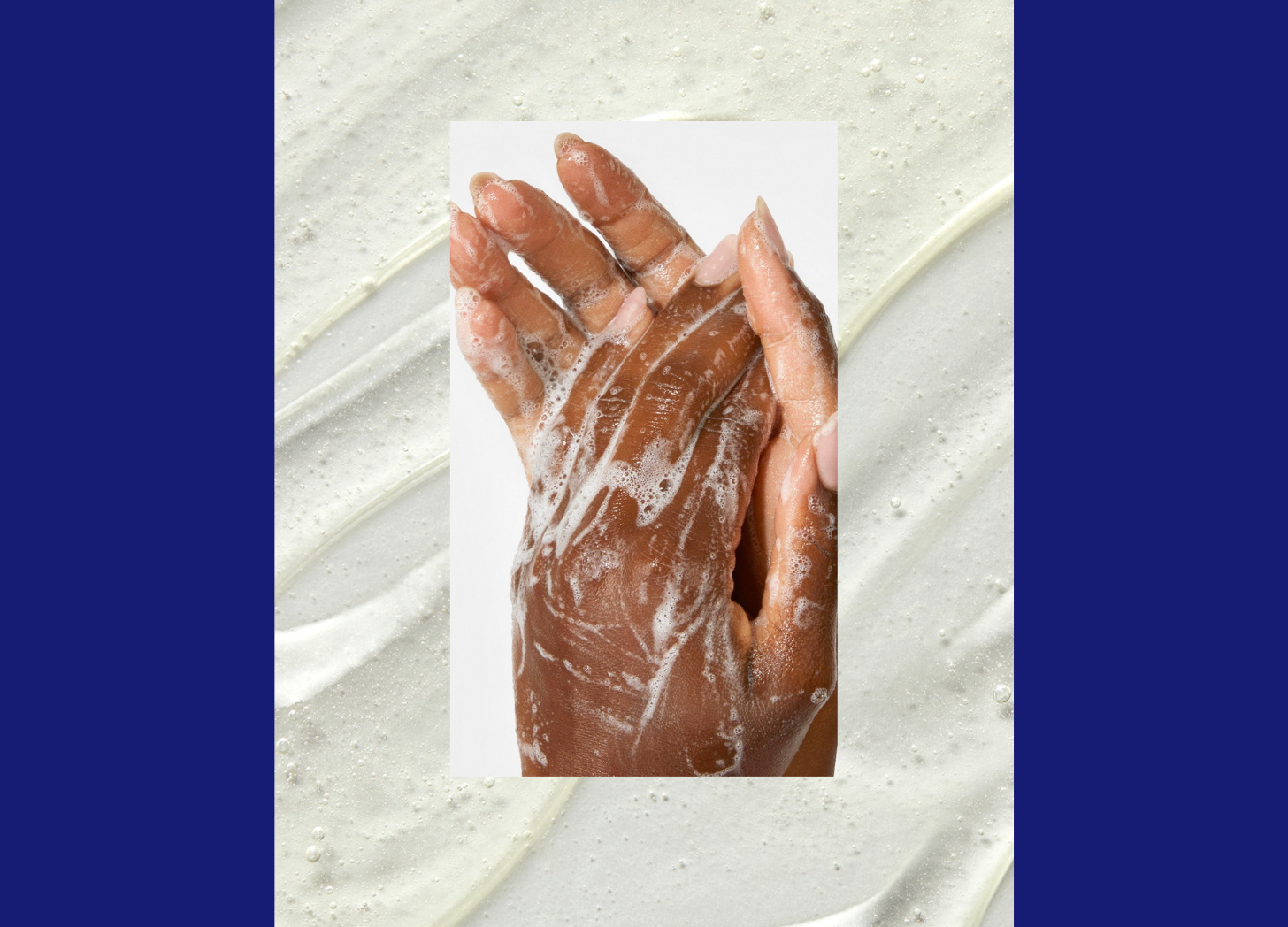
The original Gleanser is, per the website, “a non-stripping glycerin cleanser for the face and body formulated with 50% glycerin, inulin, and a unique aquaporin-stimulating active to boost skin suppleness. This skin-softening, humectant-rich glycerin cleanser effectively removes makeup, excess oil, and impurities while maintaining the skin’s natural moisture barrier and pH. Added arginine, oat extract, and aloe soothe and comfort. Designed for all skin types and suitable for dry or easily sensitized skin.”
Standout Ingredients
Avena Sativa Kernel Flour: A 2023 research analysis found that oat sprouts, the non-scientific name, have anti-inflammatory effects on the skin, enhance the skin barrier, and promote protein synthesis, which is a fancy way to say it fortifies the skin barrier’s ability to lock in moisture and protect against environmental damage.
Glycerin: There’s so much research out there about glycerin and its ability to help skin retain moisture, keep the skin barrier strong, and help fight off irritation. It’s a legendary skincare ingredient and commonly used for a reason.
Aloe: This one gets a lot of hype as a miracle ingredient, but if we look solely at the data, aloe vera has been confirmed to promote skin and wound healing. It’s an Omega-level anti-inflammatory and an amazing moisturizing agent. It also has antimicrobial properties.
Check out the full ingredient list, complete with a scientific breakdown.
The Claims
Gleanser leaves the skin moisturized even after being rinsed off for up to 24 hours — Yeah, I don’t know about that one. In all fairness, I do have dehydrated skin, so I might not be the target audience here. But the presence of several humectants and natural moisturizing factors suggests that people with normal skin do see increased hydration from the cleanser alone. Not me, though!
Gleanser helps to reduce skin redness and acne — Can confirm. Once I started using this product, I noticed a marked improvement in my skin. I’m less irritated, less red, and I have fewer breakouts overall.
Gleanser effectively removes makeup, excess oil, and impurities while preserving the skin’s natural moisture barrier — It definitely cleans thoroughly without leaving me with that tight, dry feeling. I always use it as the second part of my double cleanse, so I can’t speak to how it removes makeup and sunscreen as the primary cleanser. Based on how it acts as a second cleanse, though, I wouldn’t use it to remove makeup; I don’t think it would take it all off. That being said, it effectively removes any residue left over after oil cleansing, including that mascara gunk that likes to hang out in your eyes.
The Verdict
Worth it. You can’t beat the price point here. You’re getting 13.5oz of well-formulated product for less than $20. Gleanser doesn’t reinvent cleansing, and it doesn’t promise to. It just cleans correctly and more gently—which is rarer than it should be.
Product 2: Multi‑Quench Hydration Mist
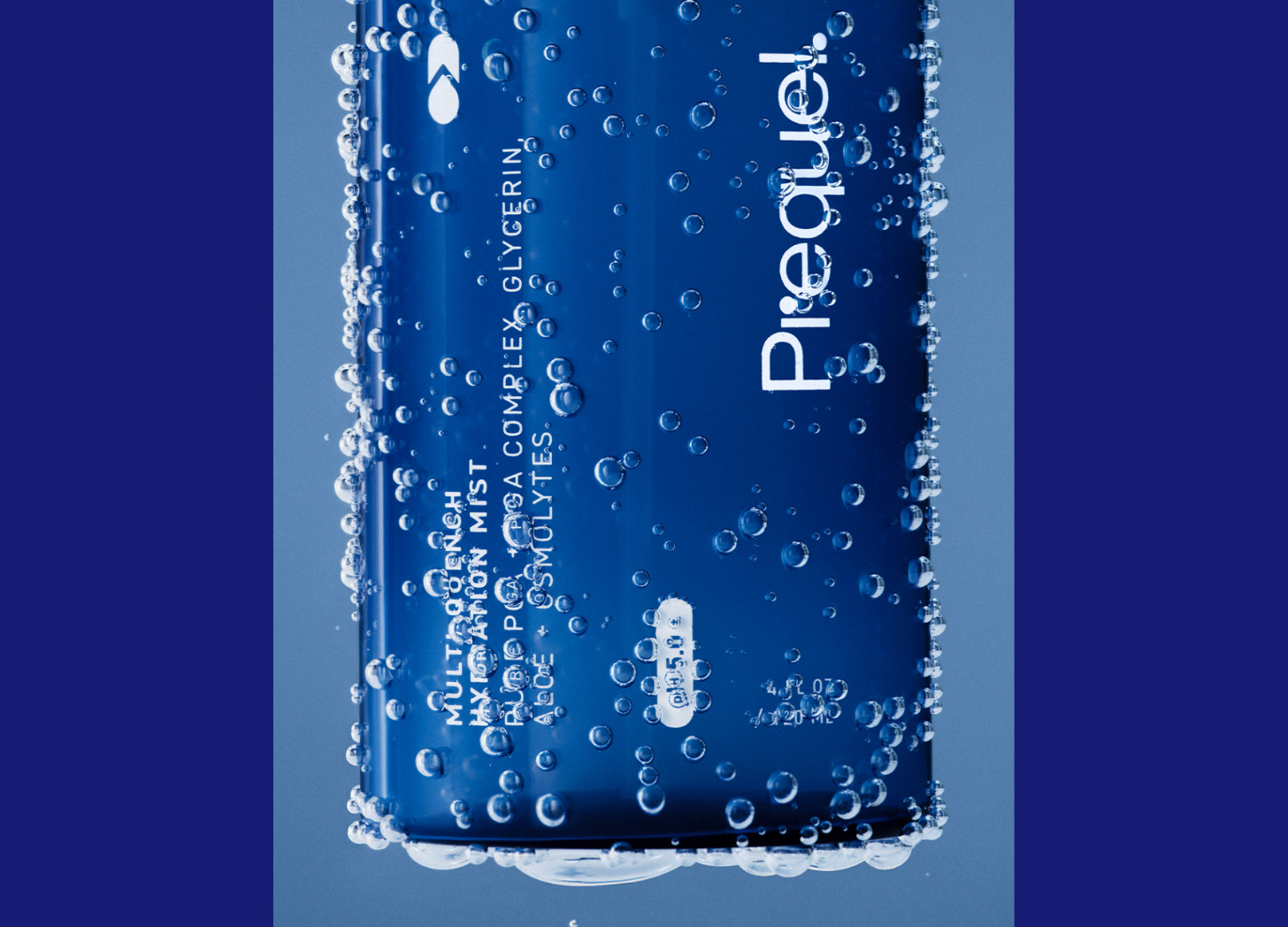
The Multi-Quench Hydration Mist is a “humectant-rich polyglutamic acid mist that provides a weightless moisturizing veil for a more radiant complexion. Dual-weight polyglutamic acid, glycerin, osmolytes, niacinamide, babassu esters, and aloe leave skin hydrated, plumped, and soothed.” Sounds juicyyyy.
Standout Ingredients
Niacinamide: My favorite skincare ingredient of all time, niacinamide helps manage acne, melasma, and psoriasis. It’s an anti-inflammatory that also reduces oxidative stress1 and hyperpigmentation. It’s anti-aging and keratolytic, meaning it can improve moisture retention and gently exfoliate.
Polyglutamic Acid: This amino acid polymer has been shown to improve the skin barrier and moisture retention. A promising in vitro study found that PGA also exhibits some microbial properties, but more research is needed on that one.
Check out the full ingredient list, complete with a scientific breakdown.
The Claims
The Multi-Quench Hydration Mist restores the skin’s water balance through osmoregulation, providing both immediate and long-term hydration — I was excited when I got this one in the mail because I’m just as susceptible to TikTok marketing as anyone else, and I’d been trying out mists to keep my skin hydrated during the day. But just like all the others I tried, this one left me dry unless I layered it under a moisturizer. And I wanted to use this as a standalone product.
The Multi-Quench Hydration Mist makes your skin look more plump and radiant — It did leave me radiant, but again, as a dehydrated skin girlie, I don’t think this product is robust enough.
The Multi-Quench Hydration Mist prepares skin to better absorb skincare products — See above!
The Verdict
I’ll pass. This is very much a nice-to-have, but this didn’t add any real benefit to my routine. There are also a handful of reviews on Prequel’s site saying that it irritated those reviewers. I didn’t have that experience, but it is something to keep in mind, and the brand does recommend spot testing first.
Product 3: Reactive Skin Solutions 5% Ectoin Cream
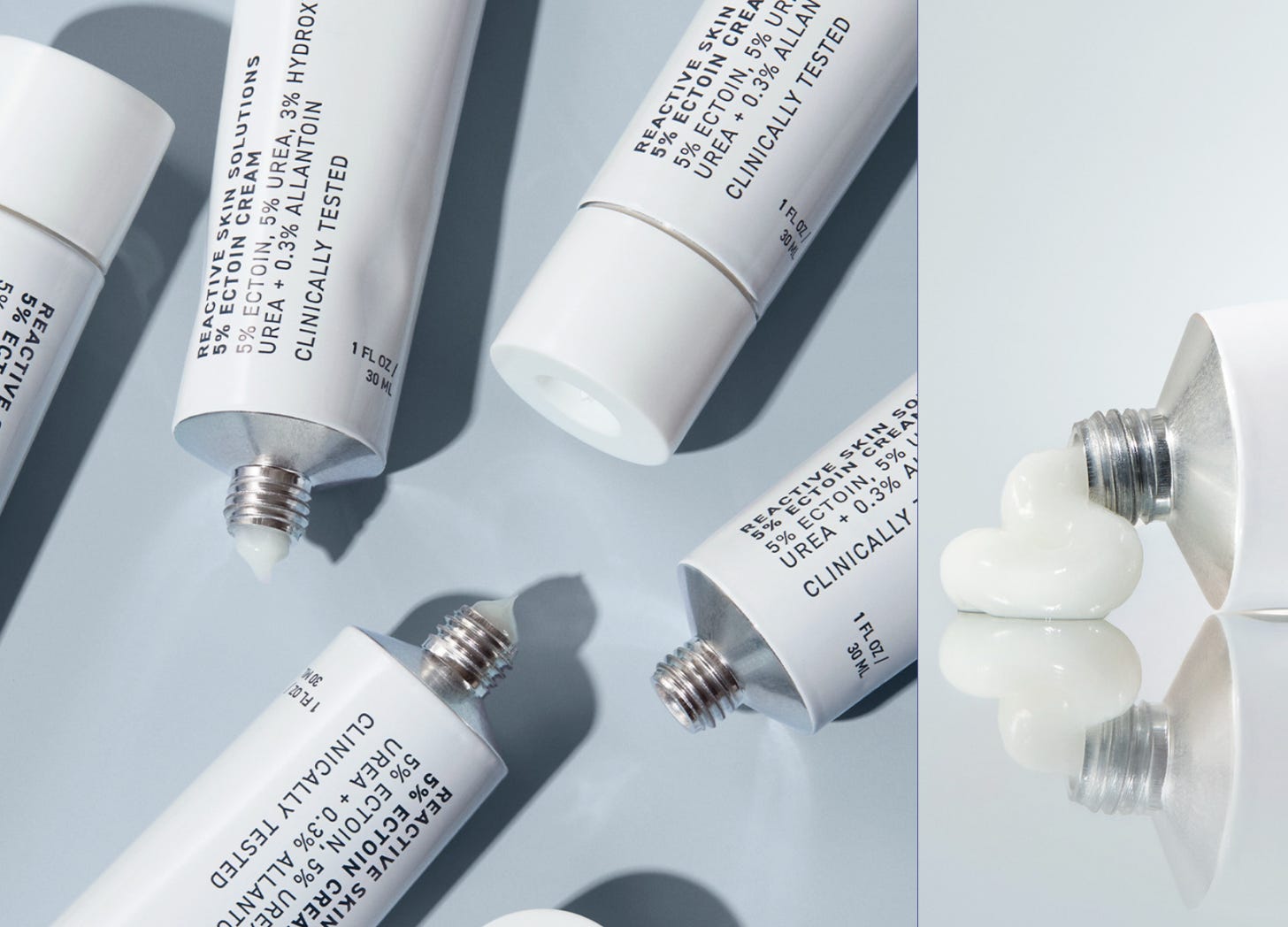
This cream is “a steroid-free, soothing solution that renews the skin’s surface while restoring compromised skin barrier. Formulated with a potent blend of 5% ectoin, urea, hydroxyethyl urea, and allantoin, Prequel’s 5% Ectoin Cream alleviates sensitivity, scaling, roughness, redness, and irritation while moisturizing the skin.”
Standout Ingredients
Ectoin: This skincare baddie moisturizes the skin and reduces irritation. It also stabilizes the skin barrier, and one study found that it reduces stress-induced skin issues.
Urea: A natural moisturizing factor, urea hydrates the skin and maintains its integrity—meaning it helps regulate the biological processes that ensure the epidermis remains durable. It also has antimicrobial properties.
Check out the full ingredient list, complete with a scientific breakdown.
The Claims
Reactive Skin Solutions calms irritated skin and reduces redness — It sure does! When I use this product, I wake up the next morning more moisturized and less irritated. As I’ve been using it, I’ve found that I’m less red, and my skin is less angry.
The Verdict
Worth It. Full disclosure: this is my favorite Prequel product. A little goes a long way when using it on the face, and the changes I’ve seen in my skin—less redness, less breakouts—have been phenomenal.
Product 4: Barrier Therapy Rich
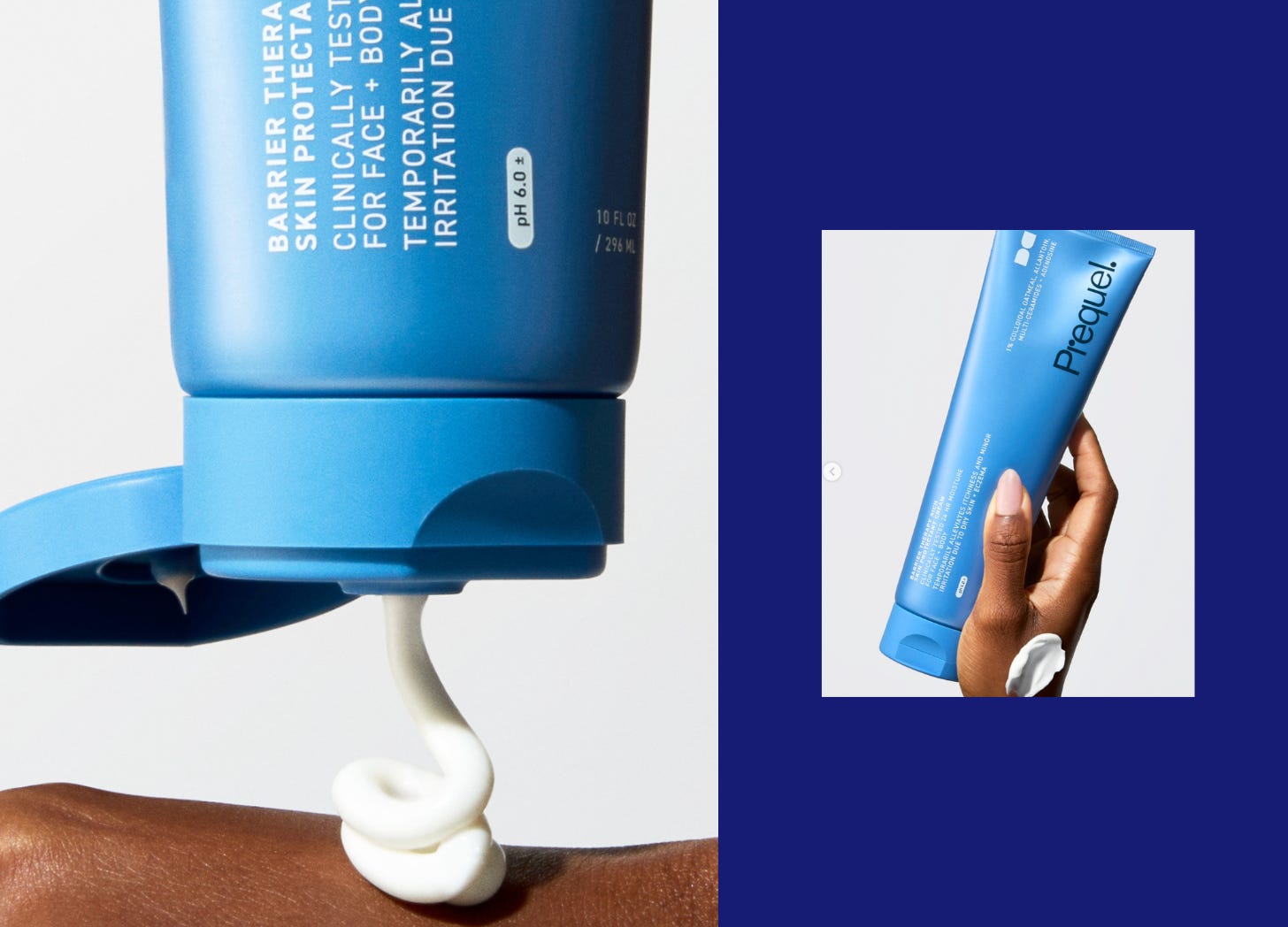
The rich version of Prequel’s hero SKU2, the Barrier Therapy Cream, is “a rich skin protectant cream for the face and body that alleviates minor irritation and itchiness due to dryness and eczema flare-ups. Formulated with a potent blend of colloidal oatmeal, ceramides, allantoin, and adenosine, this intensely moisturizing cream absorbs easily and provides relief to dry, distressed skin. Developed for dry to very dry skin.”
Standout Ingredients
Colloidal Oatmeal 1%: Clinically proven to strengthen the skin barrier, soothe, and reduce inflammation—especially in people who have eczema.
Dimethicone: This emollient and occlusive agent creates a thin, hypoallergenic barrier on the skin to help prevent moisture loss.
Shea Butter: A bioactive emollient, shea butter contains fatty acids that support the skin barrier by replenishing lipids and exerting anti-inflammatory and antioxidant effects. It also prevents transepidermal water loss.
Since it’s a new release, there’s no breakdown for this product on INCIDecoder.
The Claims
Barrier Therapy Rich eases the itchiness and irritation caused by dry skin and eczema — I am soothed and not ashy for about 12 hours after I put this on, which is a huge win for a dry skin girl. I use this product on my body because I’m worried it might irritate my acne-prone face. The brand says it’s suitable for all skin types, but creams similar to this have broken me out in the past, so I don’t risk it.
Barrier Therapy Rich absorbs quickly for a non-greasy finish — OK, I was actually shocked that it wasn’t greasy. Before I started using this, I was a Vanicream zealot—still am, lowkey—but it’s very oily. Barrier Therapy Rich absorbs into my skin within 5 to 10 minutes after application, which is great for nights when I need to get into bed right away but don’t want to roll out in oily sheets.
The Verdict
Worth it. But only if you have dry or dehydrated skin. I also can’t recommend this in good faith for acne-prone folks to use on their face.
This is a super scientific way to say it helps repair damage caused by UV rays, pollution, etc.
Or, at least, I think this product is the hero. It was out of stock for a long time with an insane waitlist.
Appreciate the INCIDecoder links and research citations, that's the kind of transparency product reviews need. The bit about ectoin reducing stress-induced skin issues is intresting, always assumed it was just another trendy ingredient. Also noticed you mentioned barrier disruption a bunch which tracks with what I'm seeing in dermatology studies about longterm benefits over quick fixes.