

Well-Spent #3: MDSolarSciences Makes a Convincing Case for Sun Protection in Your Makeup Bag
Your least impressed friend is gagged over one of the products in the lineup below.

Healthy Futures is free to read and always will be. Paid subscribers get Wellness Debrief, The Shelf (launching this Thursday), and a few paid essays per month. If you’re not ready for that but want to support the work, you can also leave a tip via PayPal. Now, let’s get into it.
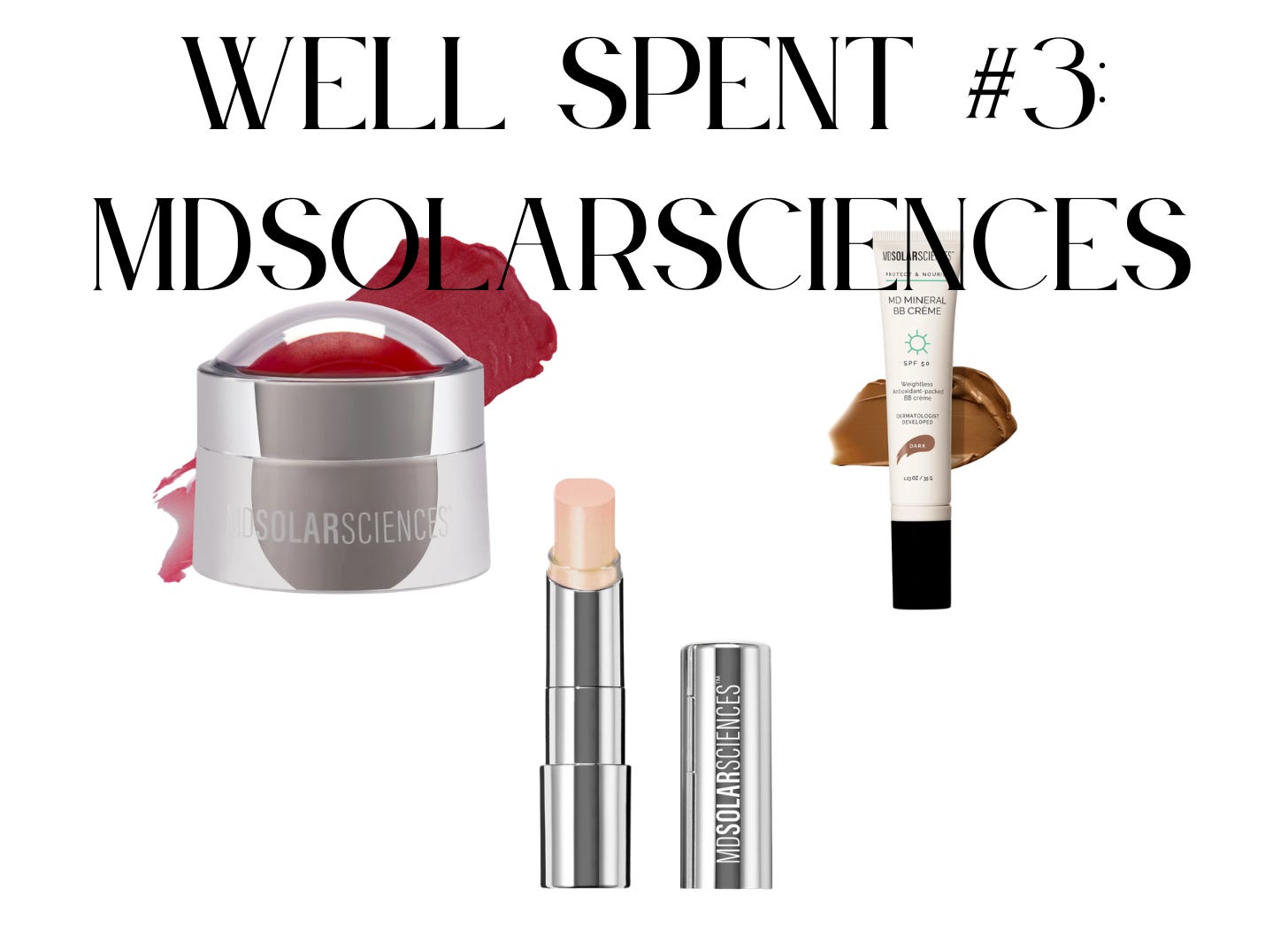
MDSolarSciences sent me these products to test and, as always, any assessment of them is my own. This post also has affiliate links, which earn me a small commission if you buy through them.
Welcome back to Well-Spent, the series where I test health and wellness products and tell you whether they’re worth the hype. If you missed the last editions, I reviewed Prequel Skin and Quince. Go check them out.
This time, I’m testing three SPF beauty products from MDSolarSciences: a BB cream, a cream blush, and a lip balm. The thinking behind all three is the same. If you fold sun protection into the makeup you’re already wearing, it’ll be easy to use, so you don’t have to think about it. I tested all three products for over a month.
Let’s get into it.
About the Brand
MDSolarSciences was founded by Dr. Robert J. Friedman, a dermatologic oncologist. The brand prioritizes mineral-based formulations across its lineup and has expanded from straightforward sunscreens to tinted SPF products. More recently, they’ve begun selling full-color cosmetics with built-in sun protection.
Green flags: Dermatologist-founded and developed, mineral and chemical-based formulas, transparent ingredient lists, wide-ranging HSA/FSA eligibility across the line (which is a real money saver), and a price point that sits around industry averages.
Yellow flags: The shade ranges across their tinted products are still narrow. The BB cream offers four shades, versus, say, Tarte’s 15 or Colorscience’s six. The cheek crème and lip balm offer more variety, but I’m not fond of seeing only four shades of a complexion product in 2026.
About the Reviewer
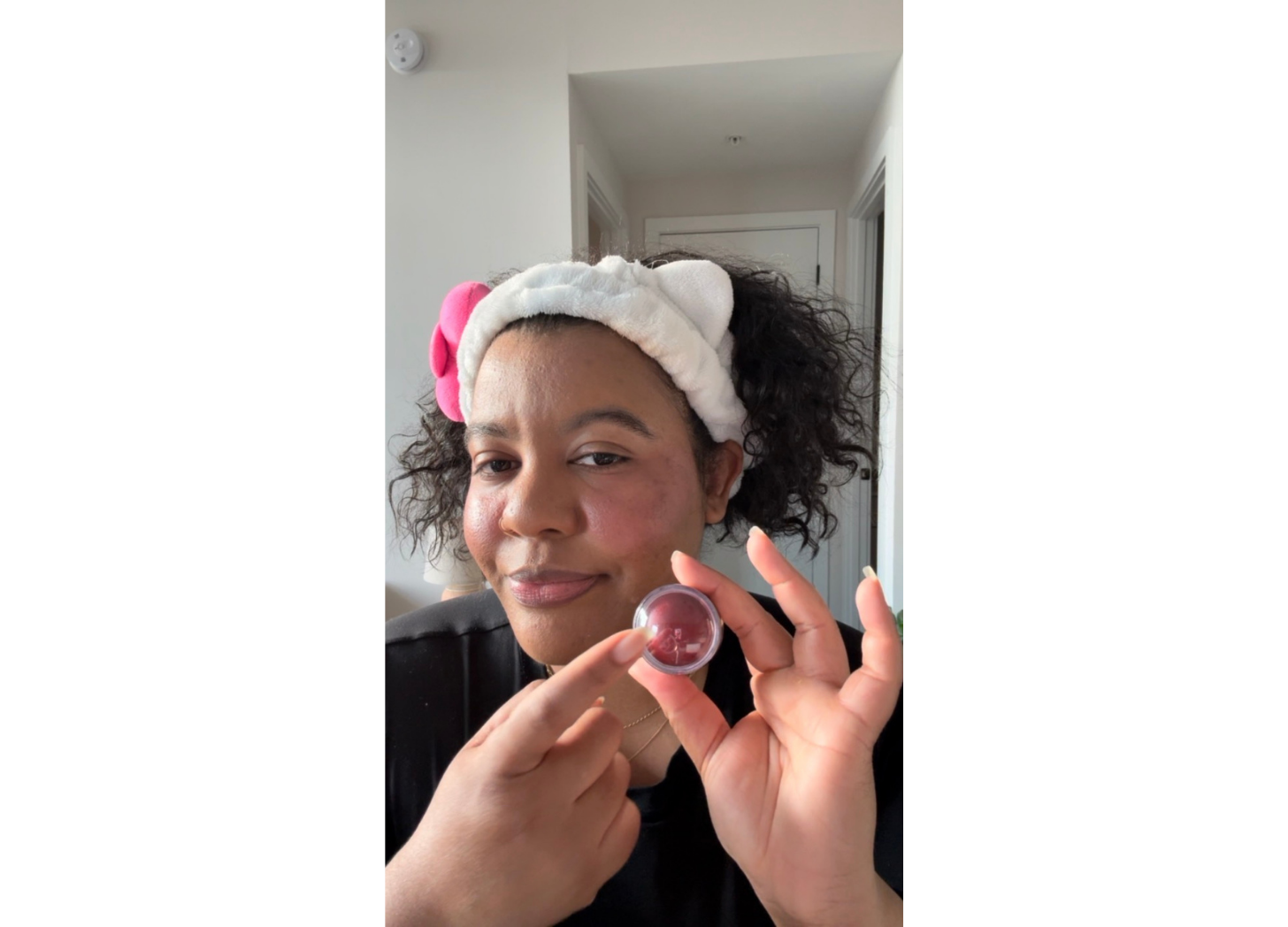
I have persistent post-inflammatory hyperpigmentation, which makes me exactly the kind of person who benefits most from daily SPF. I’ve also been wearing tinted sunscreens and makeup for years. For your reference, my complexion is medium-deep with neutral peach undertones, or the shade Syracuse in the NARS Natural Radiant Longwear Full Coverage Foundation.
Why SPF Matters for Black People
Yes, we need to wear sunscreen. We also need to get annual skin checks to make sure our moles and any other skin spots aren’t cancerous. Mostly, the sunscreen conversation focuses on skin cancer—specifically melanoma—but the relationship between melanated skin, various skin cancers, and UV exposure is a bit complicated, and different than it is for lighter skin.
For starters, UV exposure isn’t the primary cause of melanoma in skin of color. A 2021 systematic review of 13 studies covering more than 7,700 melanoma cases among people with skin of color found that 11 of them showed no association between UV exposure and melanoma risk. When Black people do develop melanoma, it’s overwhelmingly the acral subtype, which is the kind that shows up on the palms, soles, and nail beds, not the sun-exposed areas dermatology has historically fixated on. As Dr. Jenna Lester, an associate professor of dermatology at UCSF, put it to NPR: dermatology’s focus on skin cancer sometimes takes people of color out of the conversation entirely because we’re less likely to develop the types associated with sun exposure.
All of this speaks to a need for heightened skin cancer surveillance and a more nuanced understanding of how skin cancers develop for Black folks and other people of color. That doesn’t mean that we shouldn’t protect our skin from the sun, though.
While melanin offers some protection from the sun, visible light damage is cumulative, and overexposure to UVA/UVB rays can cause DNA changes to our cells—even if those changes aren’t necessarily cancerous.
There’s also hyperpigmentation, which is very annoying, even if it isn’t harmful to your skin’s health. Dark spots from acne, eczema flares, or even a scratch that healed months ago but left a mark that won’t quit are one of the most stubborn skin concerns for people with melanin-rich skin. A widely cited study published in the Journal of Clinical and Aesthetic Dermatology found that around 65 percent of Black patients with acne developed post-inflammatory hyperpigmentation (that study is from 2002, but the figure has been confirmed in more recent research). Once those spots show up, they can stick around for months or years—far longer and more intensely than they do for lighter skin tones—because our melanocytes respond to inflammation more aggressively and produce more pigment in the process. If you want to nerd out with me for a second, this happens because melanocytes in darker skin types form a specific protein complex that sustains pigment production long after the initial trigger has cleared. That’s why your dark spots seem to have their own lease agreement with your body.
Now, here’s where it gets interesting and why I’m recommending tinted sunscreen usage. A few paragraphs ago, I mentioned visible light. Well, standard sunscreens, even the mineral ones, don’t protect against it, which can cause worsened hyperpigmentation in melanated skin—but tinted sunscreens containing iron oxides do. Those formulations significantly outperform non-tinted sunscreens at preventing visible light-induced pigmentation.
Despite offering a layer of protection that non-tinted formulas don’t, tinted sunscreen products matching darker skin tones have only become widely available in the last few years. This is very similar to the Band-Aid problem. Iron oxide containing tinted sunscreens still don’t cover the full range of darker skin tones, and there are no regulatory standards requiring companies to substantiate their visible-light protection claims. A lot of brands are playing catch-up, and some of them aren’t running fast enough.

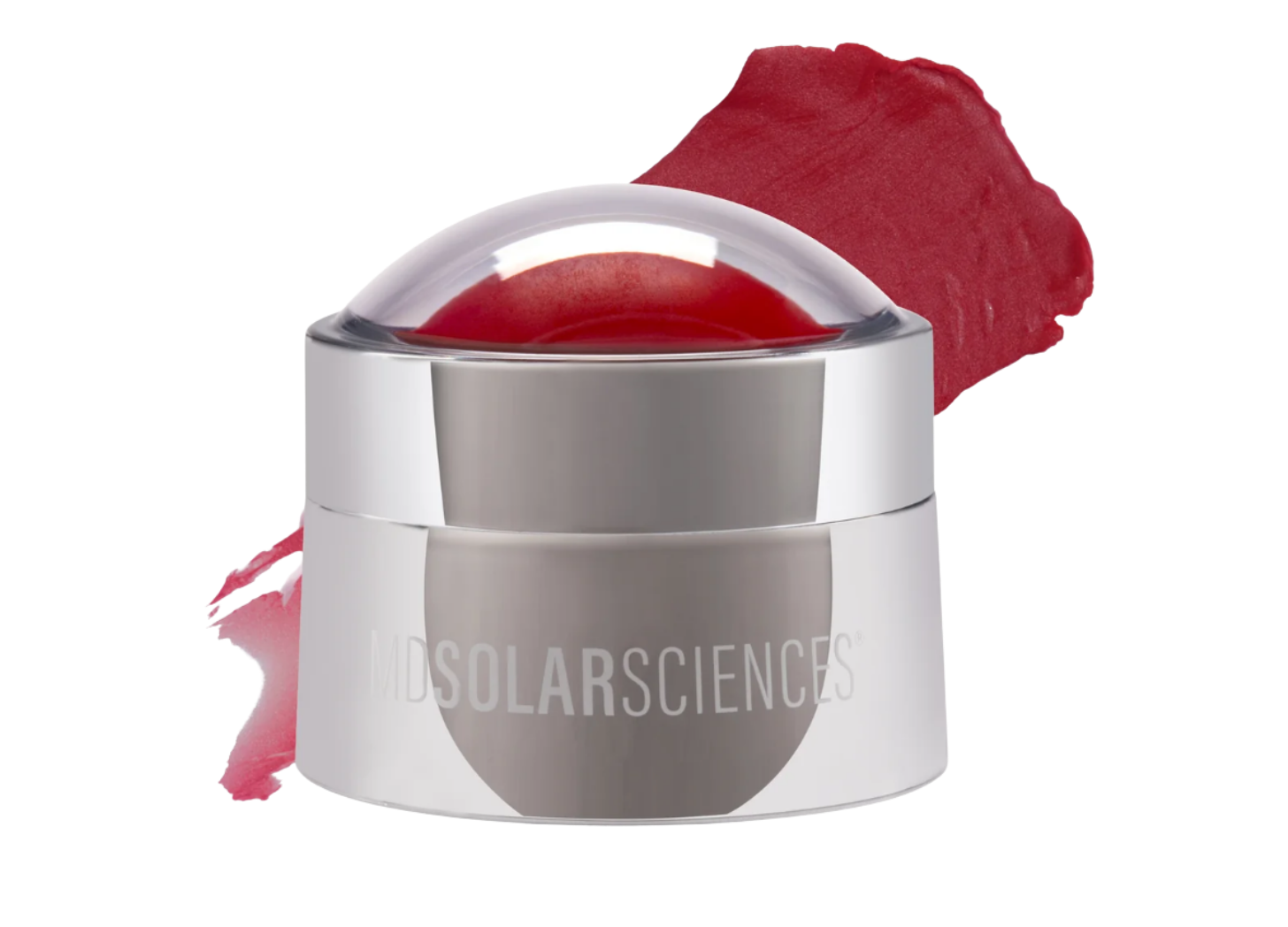
Product 1: Cheek Crème SPF 30 in Heat Wave
$36 · Two shades · Broad-spectrum SPF 30
What They Say
MDSolarSciences describes this as “a cream blush that does more than provide a beautiful flush, it protects your delicate cheeks.” The formula includes jojoba oil, shea butter, squalane, and Vitamins C and E alongside broad-spectrum SPF 30 (chemical). It’s buildable, non-comedogenic, and fragrance-free.
What I Found
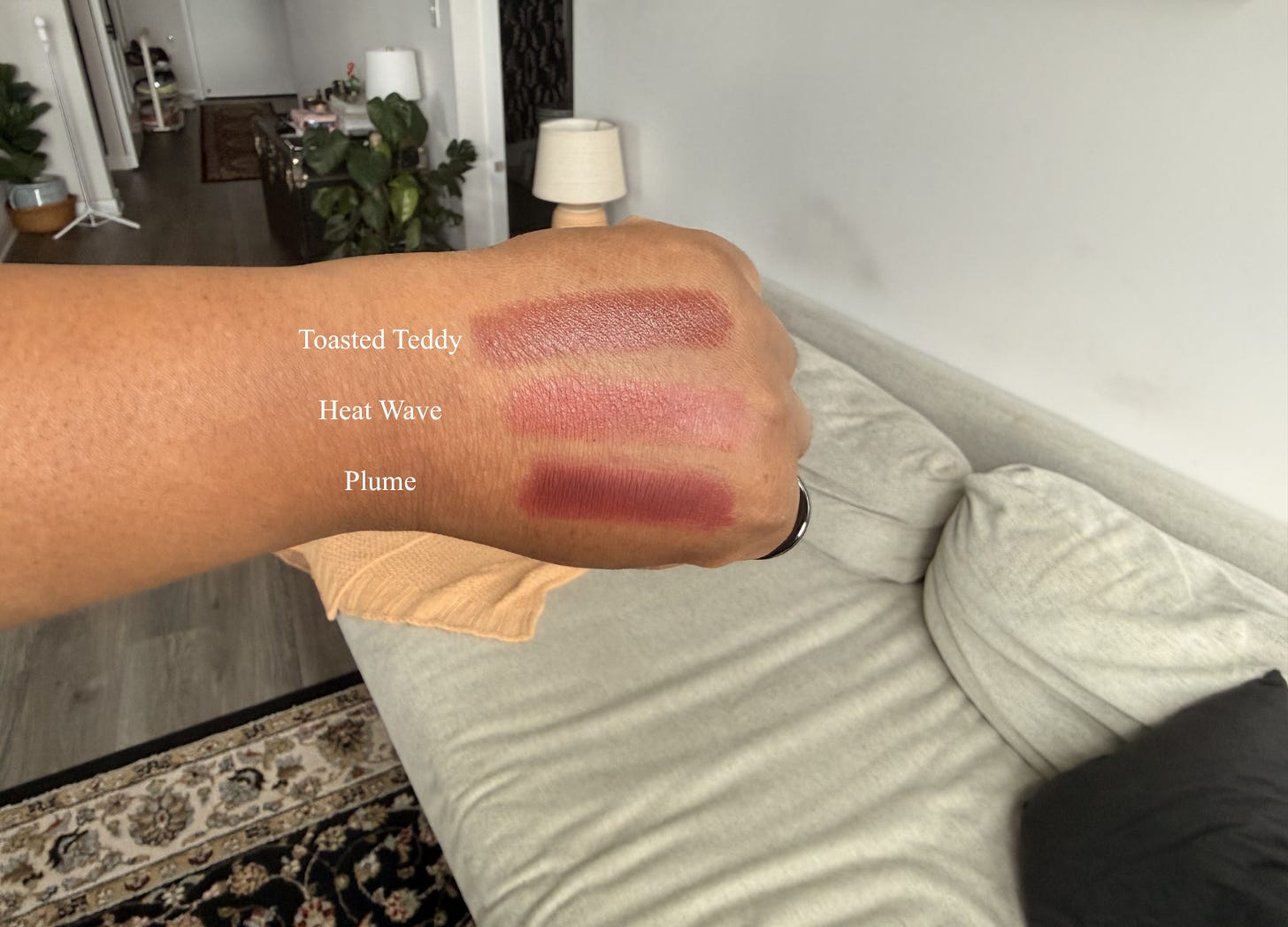
This is the product I’d hand to a friend and say, “Just trust me.” I applied it with a brush, layered it over my usual makeup products, and it blended beautifully. The color payoff in Heat Wave is warm and natural—like I’m just slightly flushed—and the buildable formula means I could go from “barely there” to “blushed down baddie” depending on the day. It reminded me a bit of Rhode Toasted Teddy and Glossier’s Cloud Paint in Plume.
The real win here is the SPF placement. Your cheeks are one of the most sun-exposed areas on your face. They’re where hyperpigmentation and sun damage love to set up shop. A product that puts broad-spectrum SPF 30 directly on the spot that needs it most without you having to think about it is doing exactly what this category should be doing.
The Science
The formulation checks several boxes. Zinc oxide provides mineral-based broad-spectrum protection. Jojoba oil and shea butter offer hydration without clogging pores, which is important for anyone with acne-prone skin. Squalane supports the skin’s moisture barrier. Vitamins C and E are antioxidants that may help with the appearance of existing hyperpigmentation while protecting against further oxidative damage. I love the straightforwardness of this product. There’s nothing groundbreaking here, but it’s well-formulated and well-suited to the product’s purpose.
Who This Serves (And Who It Doesn’t)
Serves: Anyone who wants effortless sun protection on their cheeks. Tinted SPF users who want something more fun and wearable. Anyone who’s HSA/FSA-eligible and wants to put their benefits to work on products they’ll actually use.
Doesn’t serve: People looking for intense, full-coverage blush. This is sheer and buildable, but you’re not going to get the same coverage you would from, say, Juvia’s Place.
The Verdict
Worth it. At $36, this is a smart investment. I’ll be repurchasing this one with my own coin.
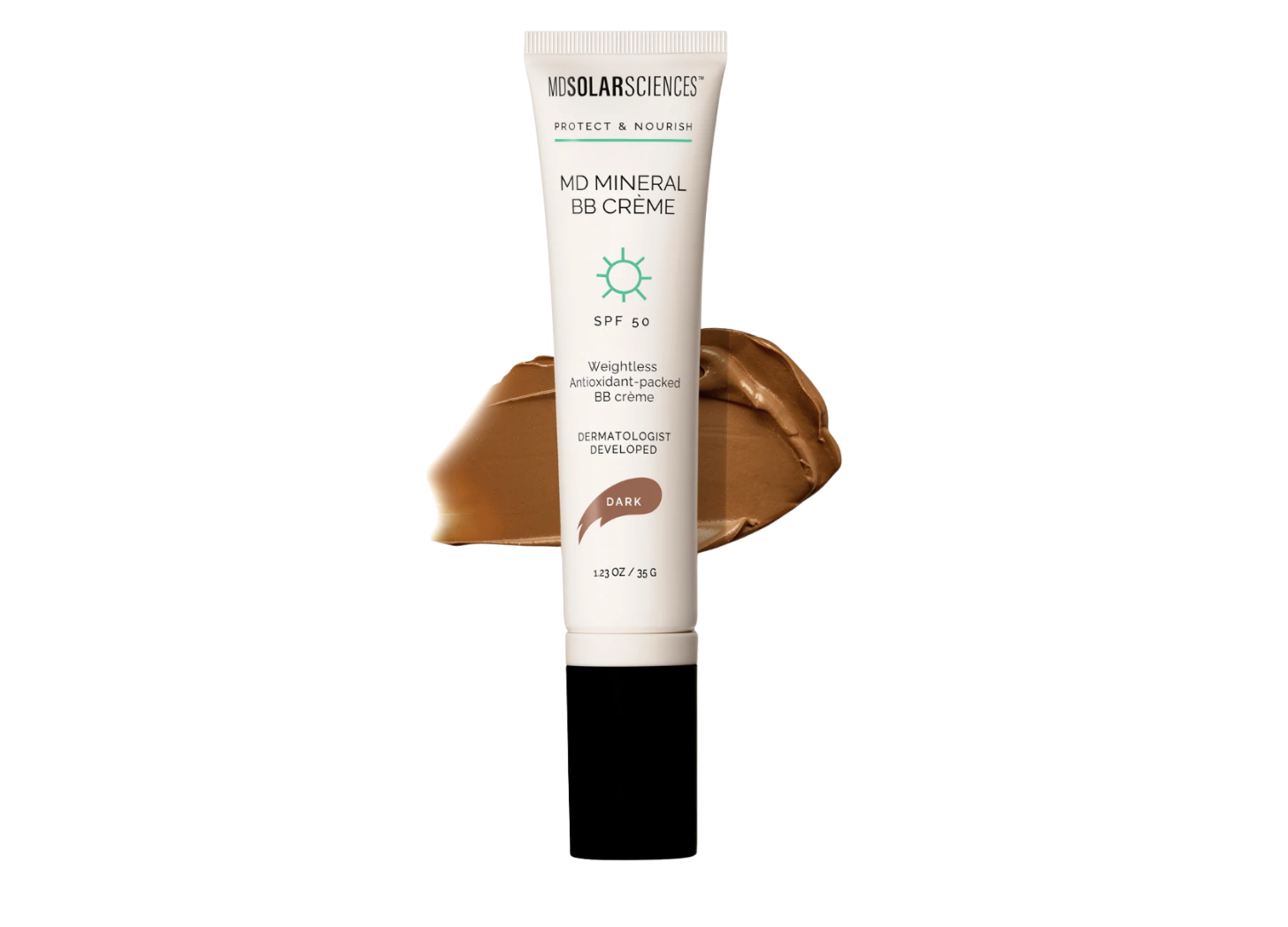
Product 2: Mineral BB Crème SPF 50 in Dark
$43 · 4 shades (Light, Medium, Dark, Deep) · Broad-spectrum SPF 50 · HSA/FSA eligible
What They Say
The BB Crème is described as a “sunscreen-makeup-hybrid” that blurs, smooths, and brightens skin while providing SPF 50 mineral protection. The formula includes niacinamide and caffeine to reduce the appearance of redness and discoloration, as well as zinc oxide at 17% and titanium dioxide at 2%. They market it for all skin types, including sensitive, rosacea-prone, and acne-prone skin.
What I Found
On paper, this should be the star of the lineup. SPF 50 in a BB cream with niacinamide? For $43? From a derm-founded brand? I wanted this to work.
It didn’t.
The formula goes on nicely. It’s smooth, not chalky, and the initial color match in Dark was actually decent.
For about an hour, then it oxidized, and the shade shifted noticeably warmer and orangey. By mid-morning, I looked like I was wearing a different BB cream than the one I’d applied. This happened consistently over weeks of testing. Oxidation is a known formulation challenge, and it disproportionately affects deeper shades because the color-correcting pigments interact differently with our skin.
At $43, though, I need it to look right for more than one Zoom call. Brands can combat this issue by adjusting their formulas or packaging. That, of course, affects pricing, but I would be willing to pay more for this. I really liked it, and I found it easy to apply and blend with a sponge or a brush. But I can’t be walking around giving you Donald Trump; that’s just not going to work for me.
The Science
The active ingredients—17% zinc oxide and 2% titanium dioxide—provide legitimate broad-spectrum mineral protection. SPF 50 is robust. The niacinamide is a welcome addition; it’s well-documented for managing acne, reducing hyperpigmentation, and strengthening the skin barrier. Caffeine has anti-inflammatory properties and can temporarily reduce puffiness.
All good here.
Who This Serves (And Who It Doesn’t)
Serves: People who want a mineral BB cream with serious SPF. Sensitive and rosacea-prone skin types who need a gentle, zinc-based formula. People who enjoy wearing any Fenty complexion product. Don’t boo me; they’re orange! But the formulation? Outstanding. The same goes here.
Doesn’t serve: People who are counting on the shade staying accurate for more than a couple of hours.
The Verdict
I’ll pass. The ingredients are impressive. The SPF protection is excellent. But the oxidation loses me and, likely, a good chunk of consumers who are already underserved by this category.
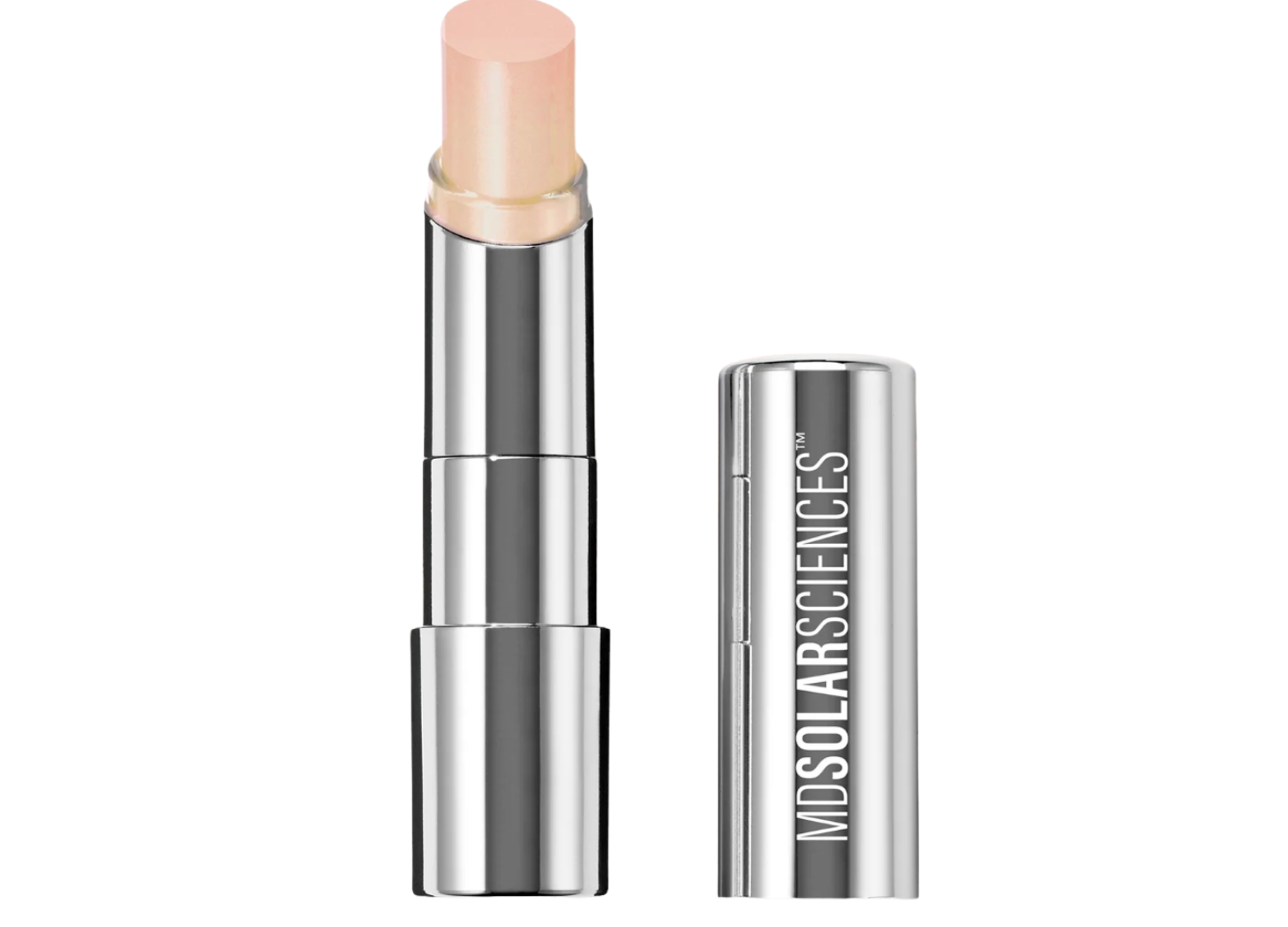
Product 3: Hydrating Sheer Lip Balm SPF 30 in Shimmer
$26 · 7 shades · Broad-spectrum SPF 30 · HSA/FSA eligible
What They Say
This is marketed as a hydrating, tinted lip balm with SPF 30 protection, packed with shea butter, jojoba, avocado oil, and olive oil. The formula includes Vitamin C to support collagen and promote firmness. Seven sheer, buildable shades. Vegan, hypoallergenic, gluten-free.
What I Found
It’s fine! The Shimmer shade is exactly what you’d expect—a sheer, slightly iridescent wash that doesn’t commit to a color. The texture is smooth and non-sticky, which is better than many SPF lip products that feel like you smeared a stick of sunscreen across your mouth. It hydrates adequately. The SPF 30 is a legitimate benefit.
At $26 for a lip balm—even a nice one—I need it to do something that makes me choose it over the dozen other options at that price point or lower. And it just... doesn’t.
The Science
SPF on lips is genuinely underrated. Lip cancers, while relatively rare, are disproportionately aggressive when they occur, and chronic sun exposure on the lips contributes to premature aging and dryness in that area. Shea butter and jojoba oil are well-established emollients. Vitamin C is a proven antioxidant. The formulation is sound. Still, I don’t think the product is exceptional enough to justify the price in a crowded category.
Who This Serves (And Who It Doesn’t)
Serves: People who want a daily lip balm with built-in SPF and a barely-there tint. Folks who are already MDSolarSciences fans.
Doesn’t serve: Anyone looking for noticeable lip color. People who can get similar SPF lip protection at a lower price point.
The Verdict
It depends. Worth it if you’re already within the MDSolarSciences ecosystem and want the convenience of matching SPF lip protection. Not worth it as a standalone purchase when competitors offer comparable formulas for less.
Final Thoughts
MDSolarSciences is building sun protection into the products people actually reach for every day. While I’m usually quite skeptical, I don’t think it’s a marketing gimmick. SPF cosmetics that work are a real public health win for everyone.
Still, it’s a brand and many of them have a long way to go when it comes to properly serving a diverse consumer base. Having only four shades for a BB cream is not robust enough, given that competitors offer more options. The gap between marketing inclusivity and formulation performance is where the beauty and skincare industry keeps falling short, and it’s especially frustrating for a brand built on science. If any brand should understand that sun protection needs to work for everyone, it’s this one.
Everything you just read is free, and I want it to stay that way! But the research behind Healthy Futures—the clinical reviews, the sourcing, and the hours spent making sure every claim holds up—isn’t. If this issue earned your trust, a tip or a paid subscription helps me keep earning it.